
Commentary: Let’s get a truck driver on the OpenAI board
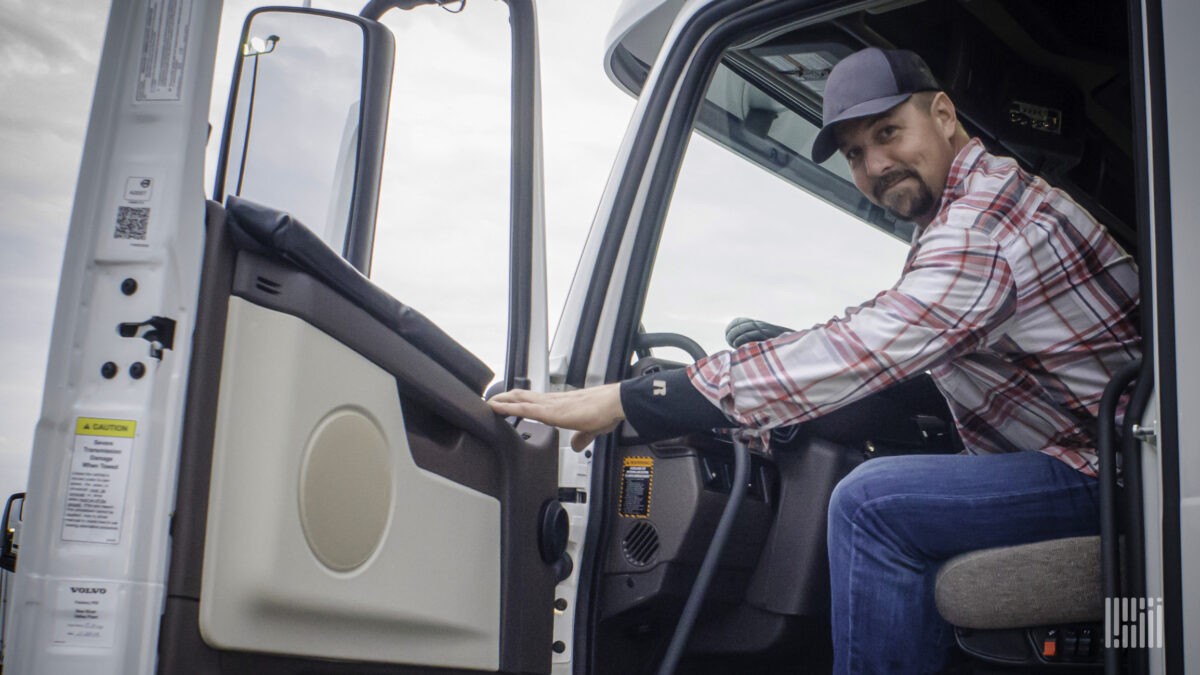
You heard me! It’s time for a truck driver — or anyone in the trades — to help direct how artificial intelligence is implemented. There’s no better place to do that than as a board member of OpenAI, the most important organization in the AI world and, probably, the world period.
AI famously has the potential to change or destroy everything about human existence. To tackle this massive responsibility, OpenAI was founded in 2015 to be a nonprofit. In 2019, it restructured to also have a for-profit arm that accepts investors. The nonprofit board of directors essentially controls that for-profit organization, and they have no equity in the company. And, investors into OpenAI are capped at 100 times their initial investment.
These safeguards existed so OpenAI could ensure “artificial general intelligence benefits all of humanity,” rather than a select group of profiteers. However, as some writers have dourly recorded in the past week, it appears that OpenAI is turning away from this lofty goal.
The recent leadership fracas revealed this shake-up. OpenAI’s board fired CEO Sam Altman on Nov. 17. Reportedly, the board believed Altman’s thirst for expanding AI put the organization’s safety mission at risk. Altman was rehired five days later. Now, OpenAI has wiped the academics from its board (who supported firing Altman) and replaced them with corporate bigwigs (who clearly want Altman around).
Are you enjoying this article and want more like it in your inbox? Subscribe to MODES, the newsletter beloved by trucking insiders and outsiders.
I am delighted to see the former Treasury secretary and the former co-CEO of Salesforce have found places on the OpenAI board. But, amid this reorganization, let’s not forget to add people whose livelihoods are most at risk of vanishing in the case of an AI revolution.
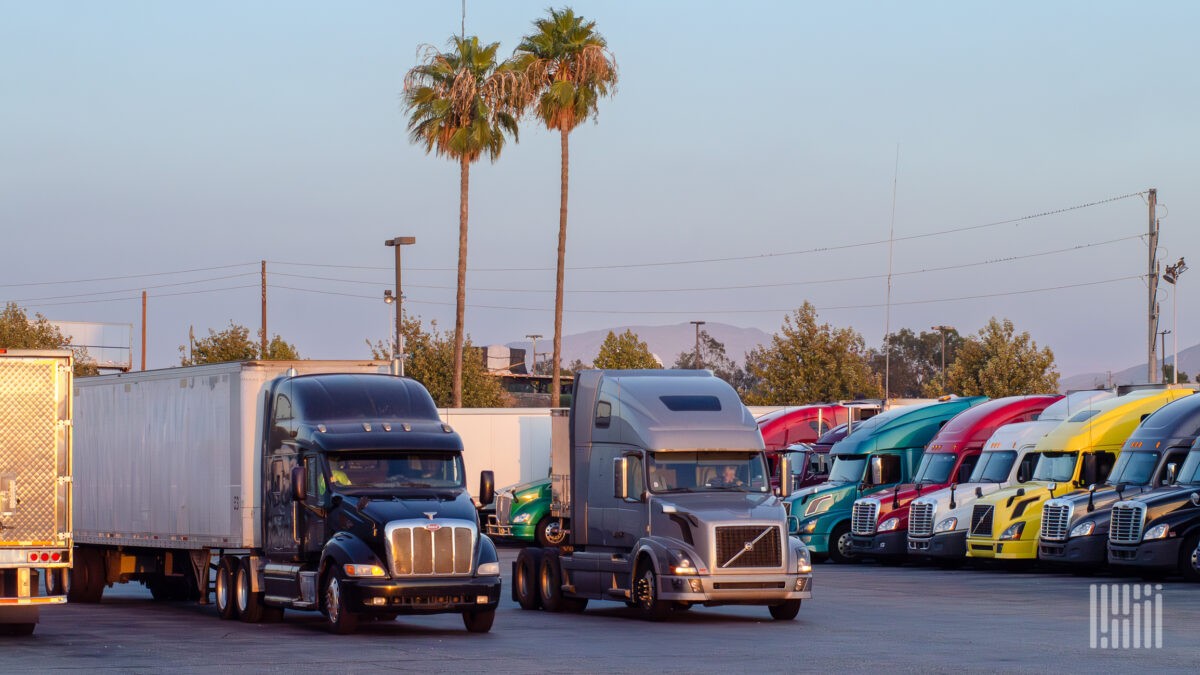
Autonomous truck driving, even in its early stages, will massively change the jobs of 2.2 million people. Depriving all truck drivers of their livelihood — or gutting the job to the point of undesirability, as is more likely in the short term — would decimate the financial stability of a huge chunk of the American populace.
There’s no question this technology is coming. The question is how exactly it will be deployed. For that reason, I’d suggest — with a hefty dose of bias, as someone who reported on the trucking industry for the past six years — it’s time for a truck driver to join the OpenAI board.
Truck drivers are already the petri dish for how we all work
It may seem like the concerns of a truck driver wouldn’t be applicable to the larger labor economy. But, in some cases, truck drivers are the petri dish for the future of work. What truck drivers are experiencing today often becomes the norm for all workers in the decades to follow.
One pertinent example is the digital monitoring of workers. These topics have only just become relevant for office workers, particularly those who work remotely, but surveillance of this variety has been common or federally mandated for drivers for years. Like remote workers, truck drivers have a manager who isn’t right over their shoulder; other tools have developed in the boss’s absence.
“[T]ruckers may be canaries in the coal mine: investigating digital surveillance and rule enforcement in this industry can give us important clues about how these dynamics may function in other contexts, both within and outside the workplace,” Cornell assistant professor Karen Levy wrote in her recent book on trucking surveillance, “Data Driven.”
Source: freightwaves.com