
Container shipping outlook 2024: Rising risk of delays, disruptions
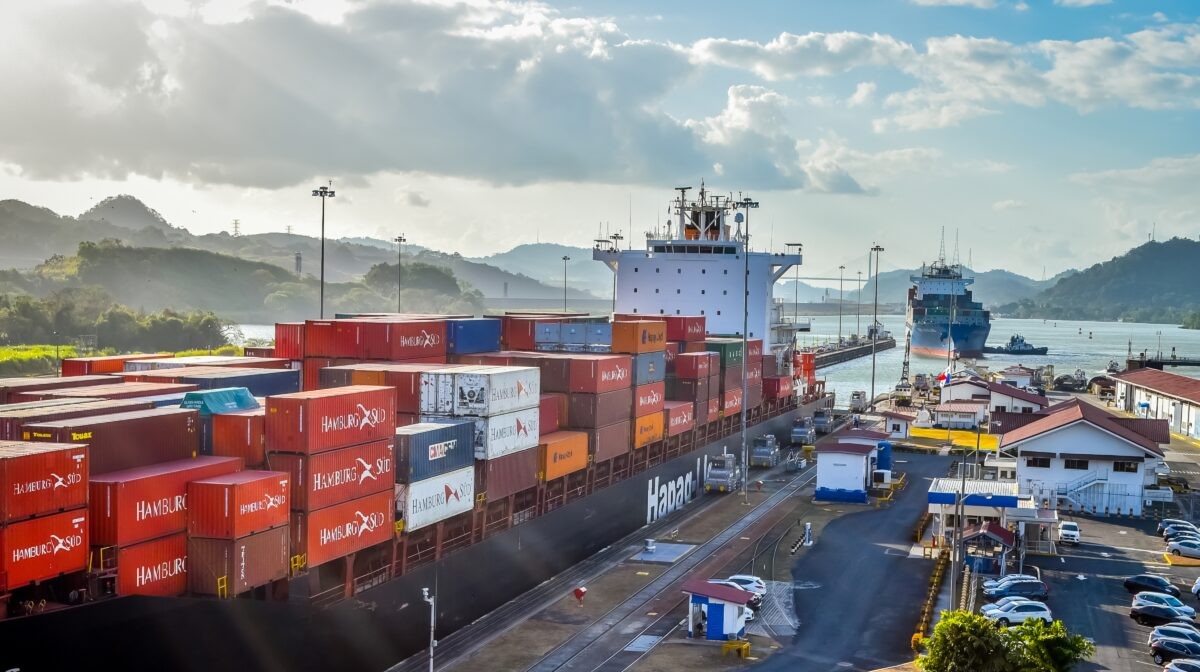
The supply chain crisis is long over, but America’s importers still have a lot to keep them up at night as they plan for 2024.
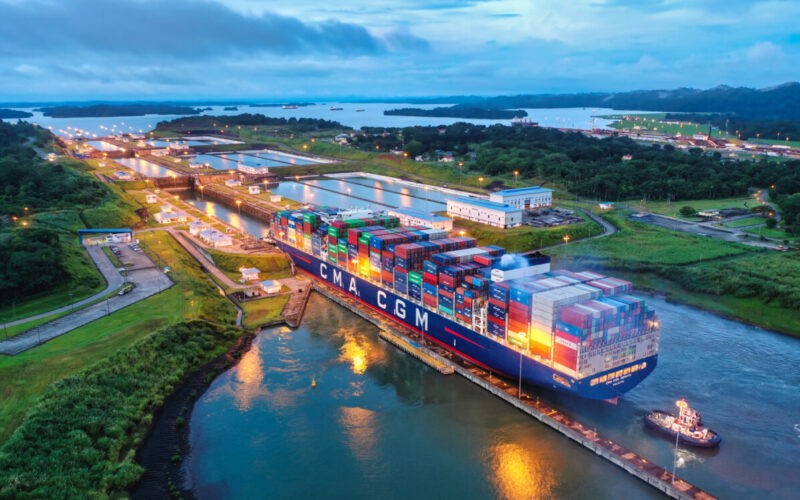
Two key container shipping “chokepoints” — the Panama Canal and the Bab-el-Mandeb Strait in the Red Sea — are simultaneously under threat. Container-line financials are under severe pressure, forcing ever more vessel sailings to be canceled. The dockworkers union serving East and Gulf Coast ports is threatening to strike next October. While freight rates are low, concerns over delays in import shipments are high.
For an overview of the disruption risks in the year ahead, and advice on how U.S. importers can mitigate those threats, FreightWaves spoke in-depth with Nerijus Poskus, global head of ocean procurement for freight forwarder and supply chain logistics platform Flexport.
This question-and-answer interview was edited for clarity and length.
Panama Canal fallout
FREIGHTWAVES: The Panama Canal crisis is getting worse. We’ve just seen two of the three global alliances abruptly shift their Asia-East Coast services from the Panama Canal to the Suez Canal. How does this impact U.S. importers in terms of transit time and cost?
POSKUS: It increases the pro-forma transit times by an average of roughly seven days, depending on the loading port. I emphasize “pro forma,” because if you look at actual transit times with expected delays through Panama, are there actually any delays going through the Suez instead?
There has historically been almost no difference in pricing between the Panama and Suez canals. Now, Panama Canal costs are going up a lot, which is why we see shipping lines announcing Panama Canal surcharges of roughly $300 per forty-foot equivalent unit.
So, some importers may actually prefer the Suez, even though it takes around seven days longer, because there’s no surcharge. This raises the question: Can the Panama Canal keep the market share [it hasn’t already lost]?
FREIGHTWAVES: Another possibility is that importers may opt to avert both canals and just shift back to West Coast ports.
POSKUS: I think 2024 is going to be a year of the West Coast gaining back market share, although I think it will be temporary. Longer term, I think the trend toward East and Gulf Coast ports will continue, because more consumers are on the East Coast, and because cargo is continuously shifting toward Southeast Asia, and especially, India. And India is best served, by far, by services to the East Coast.
But next year, it’s inevitable that some share will temporarily shift back to the West Coast.
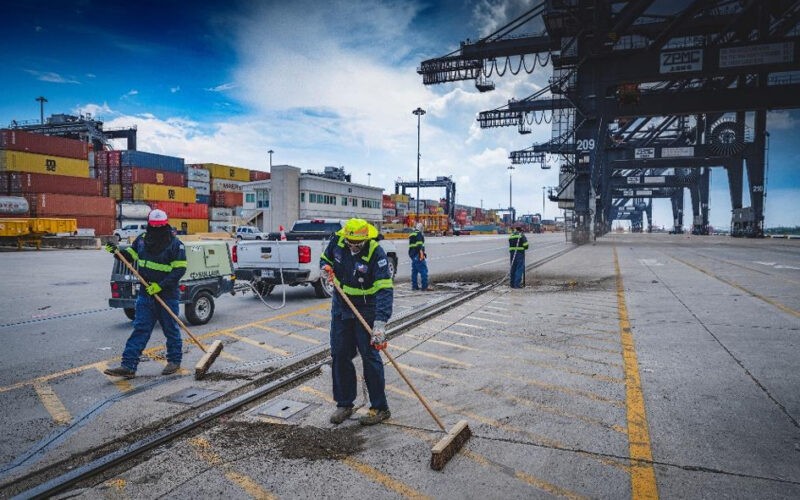
It’s not just about the Panama Canal. With the Suez Canal, there have been attacks on ships in the Red Sea, and on top of that, we have the ILA contract expiring at the end of next September [The International Longshoremen’s Association contract for East and Gulf Coast dockworkers].
FREIGHTWAVES: The ILA has specifically warned that it will strike on Oct. 1, 2024, if its demands aren’t met. Are importers already worried?
POSKUS: Definitely. People are very aware of what may happen and the language of Mr. Daggett [ILA President Harold Daggett] has been pretty harsh. Even if a strike shuts down ports for a couple of days, it will be a big disruption.
Suez Canal or Cape of Good Hope?
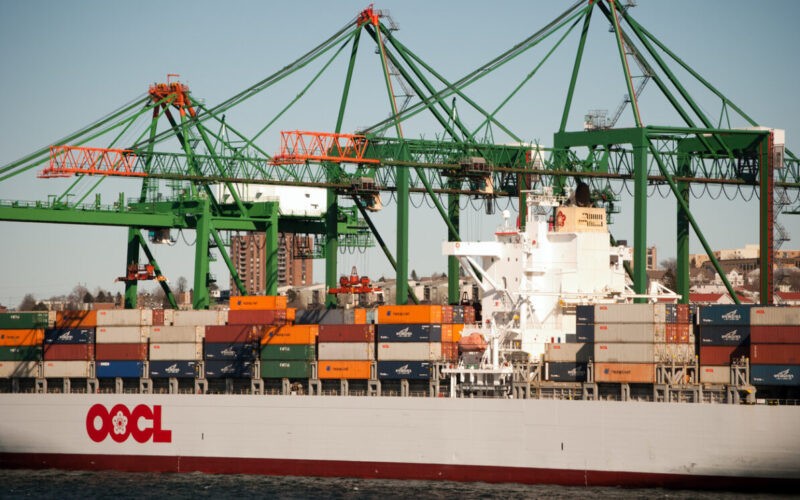
FREIGHTWAVES: Regarding security issues for Suez transits, there have been attacks by Yemen’s Houthi militia targeting Israel-linked ships at the Bab-el-Mandeb Strait — and we’ve already seen spillover to non-Israeli ships, with an OOCL container vessel mistakenly attacked on Sunday.
Some container ships are already taking the long way around Africa’s Cape of Good Hope. It’s very easy to see how this could escalate and become a much more serious threat to shipping, which would force a lot more container vessels around the Cape. How might this escalation scenario play out for container shipping? This would affect not just trans-Pacific services rerouted from Panama through the Suez, but also the entire Asia-Europe trade.
POSKUS: Trans-Pacific imports going around Africa would add another 10 to 14 days versus the Suez route, which was already another seven days longer versus the Panama Canal. So, the first effect would be that carriers would have to have 30-40% more vessels [in trans-Pacific rotations] just to continue weekly services. There is a lot of new capacity coming online, but if carriers need 30-40% more vessels to serve the East Coast, then all of a sudden, there may be a capacity crunch. That’s definitely something to watch.
The West Coast has limitations too. You can’t just shift everything to the West Coast. The ports would be completely full, and all of a sudden, West Coast pricing would surge. Then, at some price point, importers would decide: I’m not paying that. I’d rather wait 20 days for a sailing via the Cape of Good Hope.
Source: freightwaves.com