
After 2023 price declines, diesel focus turns to its relationship to crude oil
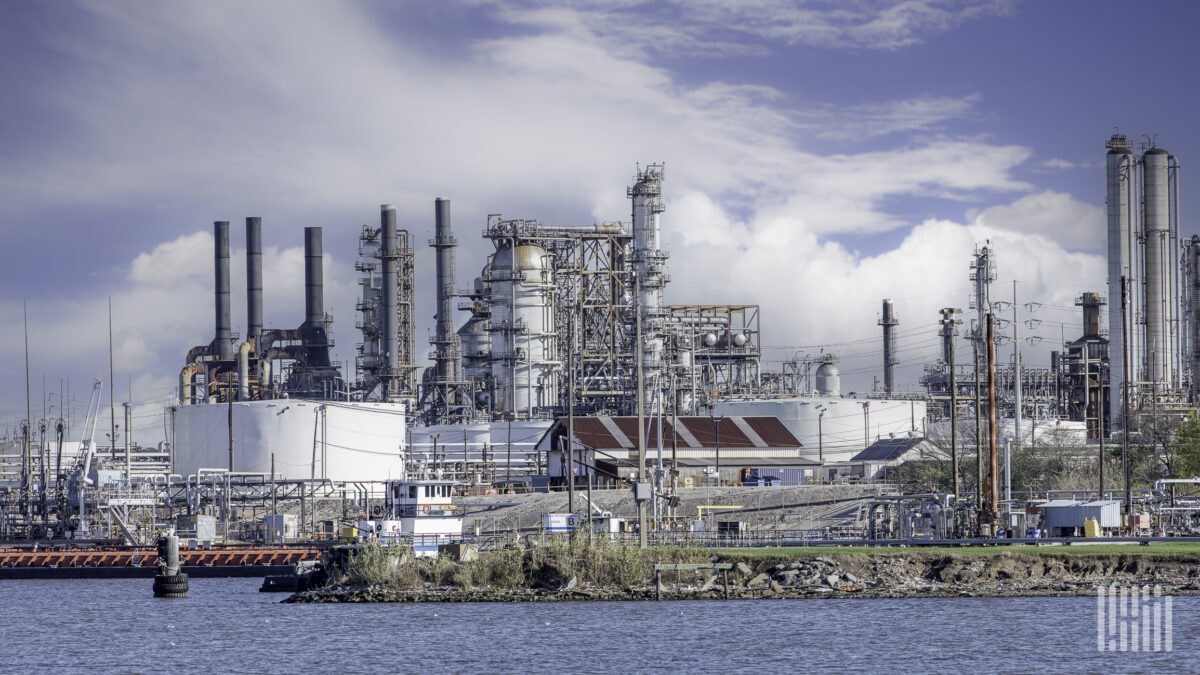
Just when oil and diesel prices seemed like they were going to be an endless headwind for the trucking and transportation industry, the oil sectors of a few countries rose to the rescue.
The end result: When the average retail price of diesel posted by the Department of Energy every week hit $4.633 per gallon on Sept. 18, few could have guessed that by the end of the year, that price would be almost 72 cents per gallon lower. For the full year, the price drop was about 61 cents per gallon.
And when crude benchmark Brent moved to almost $95 per barrel in September, the broad consensus was that the magical $100/b mark was inevitable. Instead, Brent closed the year at about $77/b — and settled less than $75/b a few times in December.
The oil industry doesn’t always agree on a lot of things, but on this one, there wasn’t a lot of disagreement to a consensus view that the biggest reason for that decline was the utterly unexpected surge in output from the U.S. oil sector. Crude production in the U.S. was about 12.2 million barrels per day when 2023 started; it was 13.3 million b/d by the end of the year, according to the DOE’s Energy Information Administration. If there were any forecasters who saw that coming, they kept themselves pretty quiet.
Big gains in output from Brazil and Guyana, among others, also helped to offset the OPEC+ decision in April to cut production by 500,000 b/d, an action that was followed by Saudi Arabia saying it would cut its output by an additional 1 million b/d.
But the impact of those reductions ultimately was balanced out — and then surpassed — by the surprise increases from those key non-OPEC producers, as well as several OPEC nations doing what the group long has been burdened by: members that sign on to a quota or a cutback and then promptly ignore it. Iran was the largest producer that fell into that category in the second half of 2023.
Source: freightwaves.com