
We got too accustomed to peaceful seas
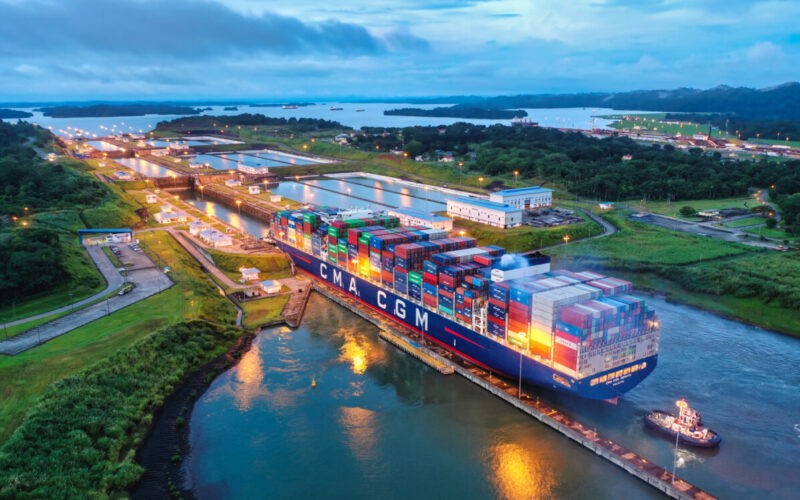
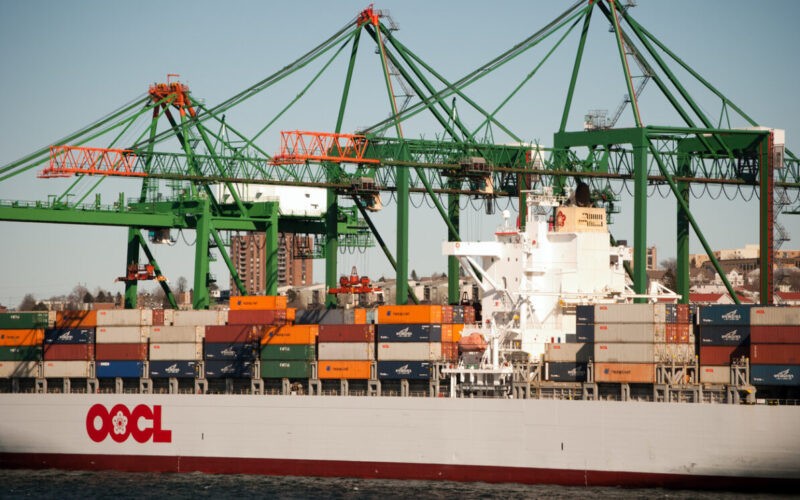
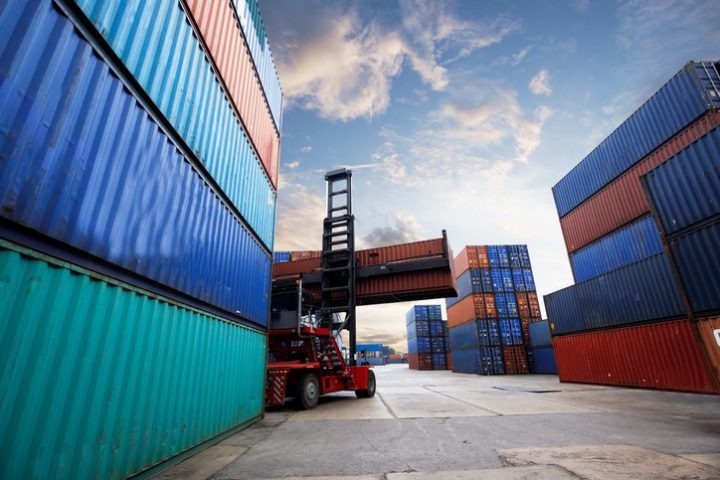
Why don’t you gaze upon your IKEA table with wonder? This is a piece of furniture that couldn’t have existed a few decades ago. One such table could be imagined in Sweden and manufactured in China with trees from Romania. It may then transit in a shipping container on a 400-million-pound ship, on a truck to a warehouse in Los Angeles, on a train to Chicago and to your home, eventually. Such a table is yours for, say, $200 — until you get sick of it or decide to upgrade to a $400 table.
Such intensively globalized supply chains are a somewhat recent invention. There once was a time where you could not buy tangerines in Minneapolis in January or receive South Korean face wash through free, next-day shipping. Little, if anything, that we use or eat everyday did not spend some amount of time in a shipping container. “In 1956, the world was full of small manufacturers selling locally; by the end of the twentieth century, purely local markets for goods of any sort were few and far between,” wrote economist Marc Levinson in his seminal book “The Box.”
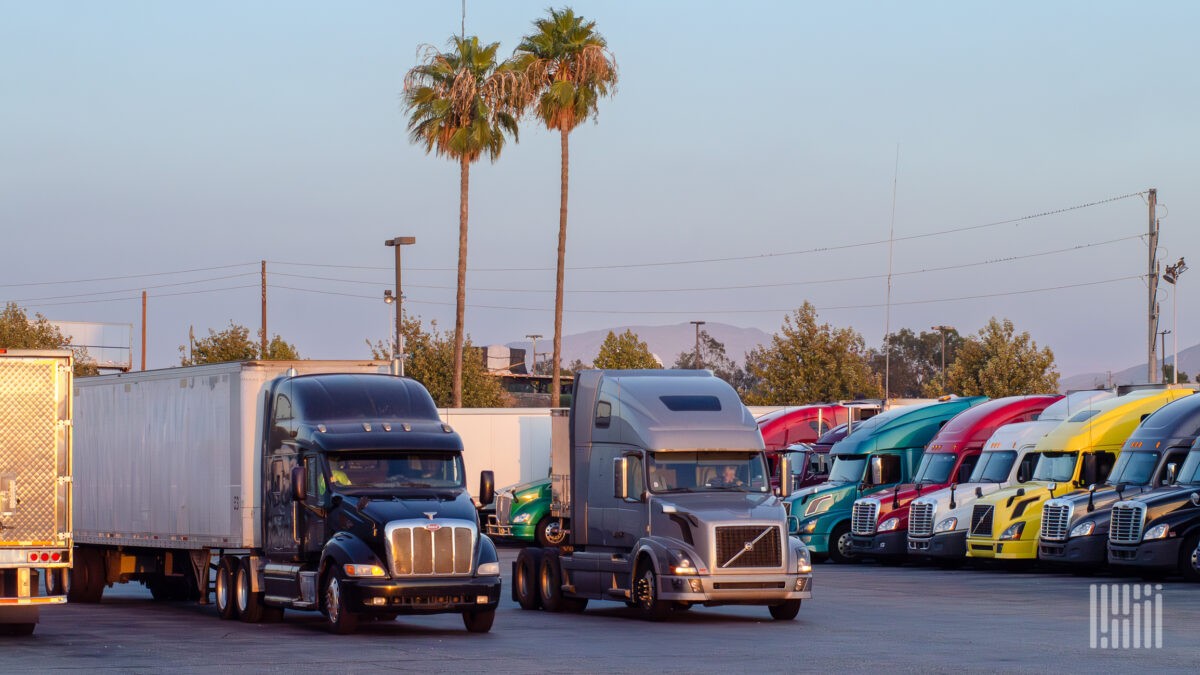
For this, we can thank (or blame) the development of the diesel-powered semi-truck, the shipping container, and intermodal rail. But above all, we must appreciate the fact that ocean trade can happen at all.
It’s somewhat ahistorical that the world’s oceans have been relatively painless to navigate in the second half of the 20th century, permitting trade to flow around the world. That was not the case for much of human history. “Pirates, predatory states, and the fleets of great powers did as they pleased,” wrote Jerry Hendrix, senior fellow at the Sagamore Institute, in The Atlantic last year. “The current reality, which dates only to the end of World War II, makes possible the commercial shipping that handles more than 80% of all global trade by volume — oil and natural gas, grain and raw ores, manufactured goods of every kind.”
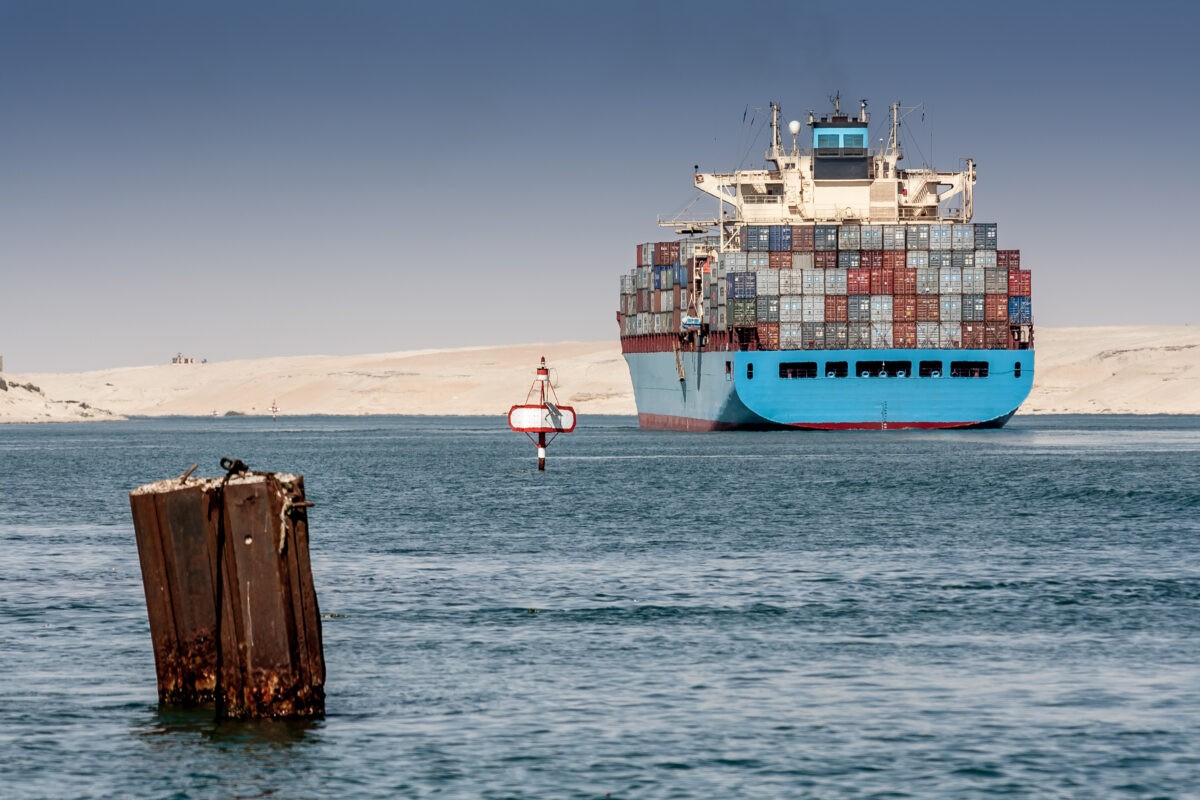
Such peace can no longer be assumed. It’s unclear whether ongoing diversions from the Suez Canal will become the norm going forward, but it’s clear that things are shifting — and it’s not in the favor of frictionless trade or a U.S. hegemony.
“It was almost like you had a conveyor belt from the shoe factory in Bangladesh to the shop in Chicago,” said Simon Sundboell, founder and CEO of Copenhagen-based maritime intelligence company eeSea. “That’s just not happening anymore. You’re in a world that’s going increasingly from American-controlled unipolar to multipolar globally. You’re going to have a much more fraught supply chain, and every BCO [beneficial cargo owner], importer, exporter, and logistics provider is going to have to deal with that going forward. The Houthis are just one step in that.”
Source: freightwaves.com