
New Jersey hikes truck insurance minimum to $1.5M, higher than most states
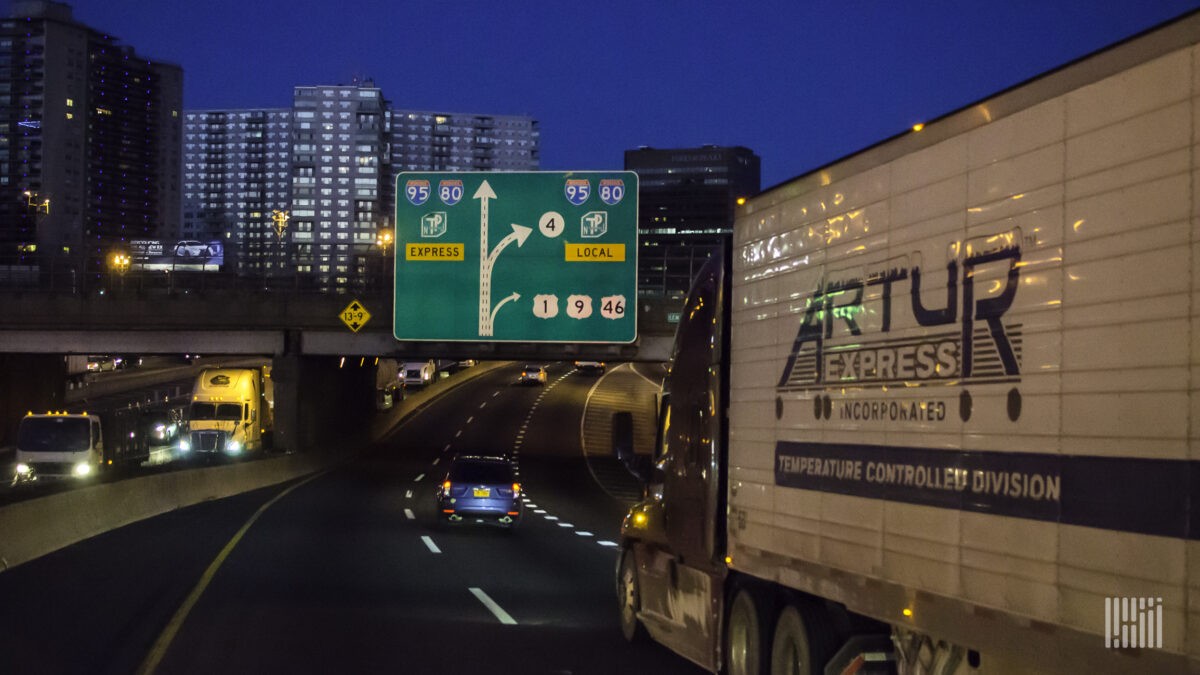
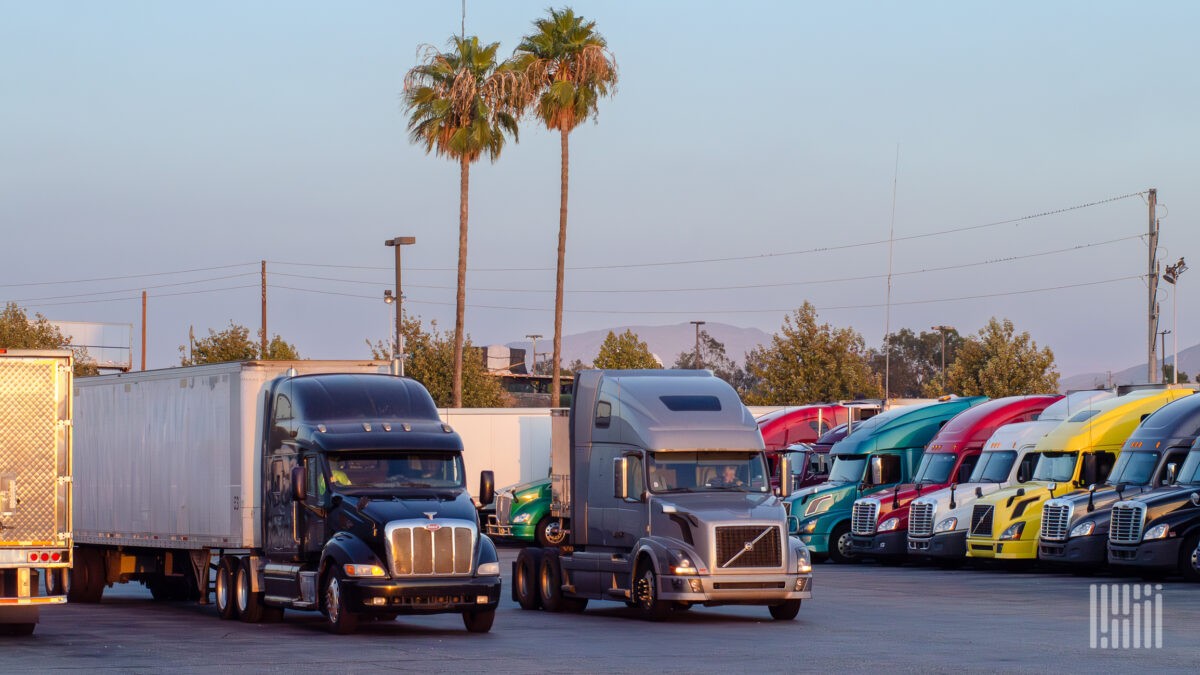
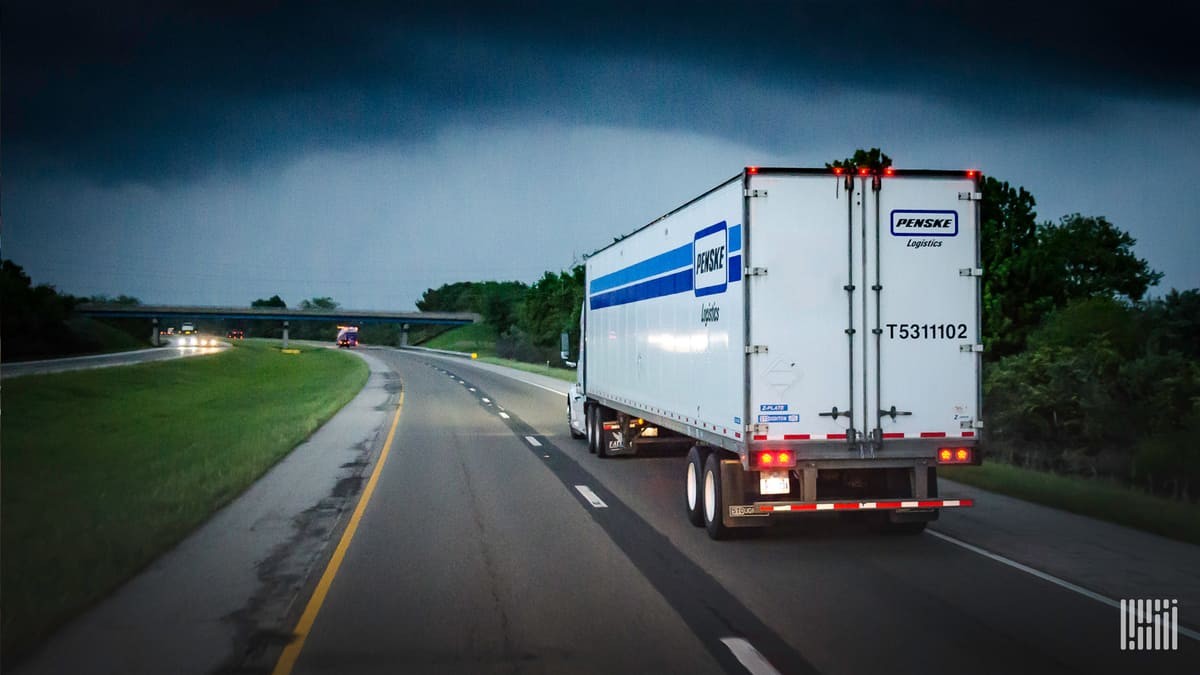
A recent change in New Jersey law requires a significant increase in the amount of coverage a large commercial vehicle must carry, raising the requirement to $1.5 million.
While some state legislators have been pursuing the change for several years, the final bill was approved last month and signed by New Jersey Gov. Phil Murphy.
Backers of the law declined to answer several questions emailed by FreightWaves regarding the specifics of the law. Various websites tied to insurance companies have differing numbers on what was required previously under New Jersey law, with some hazardous material trucks said to need $5 million in coverage. But most of the reviews of the existing law put the requirements at well under the new mandate of $1.5 million.
The requirement will kick in for vehicles with a weight in excess of 26,000 pounds six months after its “enactment date.” A spokesman for the New Jersey Senate majority–which is the Democratic party–said Gov. Murphy signed the legislation January 16.
“There is no indication in the legislation that it is intended to apply only to intrastate New Jersey operations,” the trucking-focused law firm of Scopelitis said in a blast email. “There appears to be indirect evidence that the intent is that the new higher minimum limits under this legislation will apply to all commercial vehicles within its scope, whether in interstate or intrastate operations.”
Greg Feary, a partner at Scopelitis, told FreightWaves that “from the four corners of the bill, I can’t see how they’re going to enforce it.”
Intrastate or interstate or something in between?
The actual wording of the legislation could be read as applying only to trucking companies that are based in New Jersey. It says the law applies to vehicles “registered or principally garaged in this State.”
Feary said complicating the matter is the International Registration Plan (IRP). That program, operated as a compact among the 50 states and the District of Columbia, permits vehicles that travel in two or more states to register with one state and then extend permission to operate into other jurisdictions, after a registration fee is paid and the funds allocated to the other states.
Source: freightwaves.com