
Sea-air routes gain as bypass option for Red Sea shipping delays
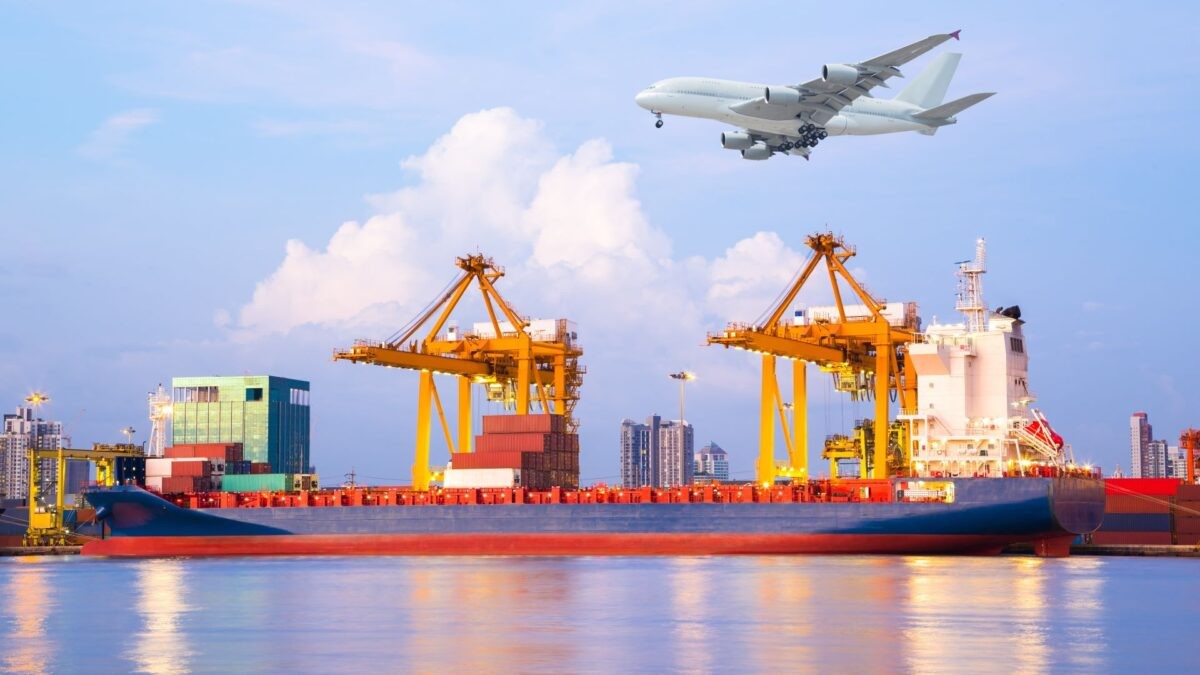
As major container shipping lines consistently bypass the Red Sea to avoid the threat of rebel missile attacks, air cargo volumes are finally getting a boost. Preliminary data now backs anecdotal reports a month ago of businesses shifting some Asia exports for Europe and North America to air transport as a way of avoiding delays.
Until mid-January, there were few hard signs the airfreight sector was picking off cargo normally booked on ocean vessels transiting the Suez Canal. One option getting more attention is a hybrid sea-air mode, which offers faster transit than ocean shipping at a lower cost than pure airfreight.
Shipping prices have skyrocketed following the Red Sea attacks. Ocean freight rates per forty-foot equivalent unit from China to Europe were up 282% to more than $4,700 since Dec. 1, as of Jan. 19, according to Freightos. Global box rates are significantly higher than pre-COVID levels and continue to climb. The Freightos Baltic Daily Index hit $3,410 on Monday, a 145% spike since the start of the year. And spot rates from Asia to the Mediterranean are 160% higher than a month ago at $6,500 FEU. Even shippers booking space at contract rates are paying more as ocean carriers add emergency surcharges to invoices.
After a normal slump in demand following the holiday shipping rush, which crested in mid-December, airfreight volumes jumped by nearly 25% week over week. Over a two-week timeframe to start the year regional volumes increased 12% and 17%, respectively, from the Asia Pacific and Middle East/South Asia to Europe, according to World ACD. The increases were about 10 points more than the same two-week period in January 2023.
Global air cargo demand currently is up about 3% year over year, led by a 6% gain for Asia exports, continuing the positive trend that began in September and reversed an 18-month softening in airfreight demand — a byproduct of inflation, excess inventories and fewer logistics bottlenecks.
The International Air Transport Association said cargo traffic, which is calculated with a distance multiplier, climbed 8.3% in November, the strongest y/y growth in almost two years. The trade group’s numbers were directionally consistent with earlier figures from private data providers that showed air cargo demand increased 5% during the month.
Pallets of cargo on board a Boeing 777 freighter. (Photo: Jim Allen/FreightWaves)
December was even stronger, with 9% y/y growth boosting spot rates to their highest level in nine months and catapulting the air logistics sector into 2024, according to benchmarking agency Xeneta. Entering 2024, capacity is about the same as 2019 but demand remains 8% lower than before the pandemic and rates are about 40% higher.
IATA said cargo yields increased 8.9% during the final two months of 2023, an indication that airlines were able to fill their aircraft better.
It should be noted that the comparison comes against a low baseline in 2022, with much of the growth concentrated on a few major trade lanes and driven by e-commerce shipments as consumers opted to buy discount goods online for their Christmas gifts.
IATA predicts cargo demand will rise 4% to 5% year over year after contracting about 3.8% in 2023, but with capacity expected to increase 6% to 7% as passenger airlines reintroduce more flights, the outlook is for yields to drop a further 21% on top of last year’s 32% decline. However, IATA’s forecast came before the Red Sea attacks on shipping were fully understood, and the situation there could easily cause volumes to grow more than expected.
Sea-air alternative to Suez Canal route
The longer the Red Sea risk lasts, the more likely shippers are to divert a portion of their Asia orders from ocean to air carriers. Carriers’ need for vessels to move shipments a longer distance around the tip of Africa is soaking up some capacity and driving up ocean rates. Longer voyages mean vessel schedules for ports are out of sync, creating pockets of congestion in Northern Europe. Carriers may opt to skip some port calls to keep vessels on schedule. And repositioning empty containers back to Asia is taking longer, creating a container shortage at origin and slowing the ability of manufacturers to load the next outbound shipments.
Beyond those considerations, cargo owners need to evaluate the impact on their working capital if they have to increase inventory by several weeks to make up for slower delivery times. Although airfreight can be 13 to 15 times more expensive than ocean shipping, retailers and manufacturers may find it cheaper to move goods by air than to invest in extra inventory.
Source: freightwaves.com